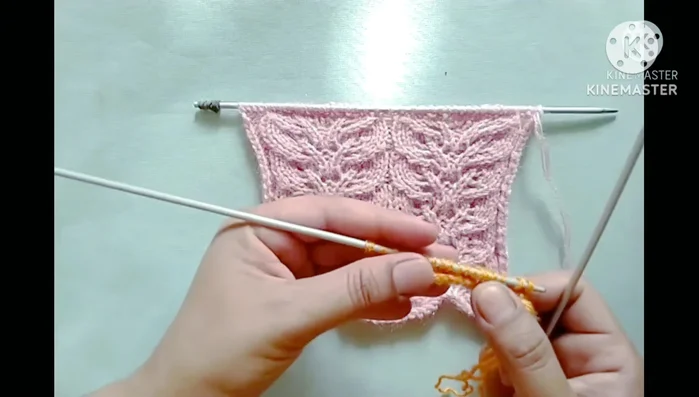
Are you ready to add a touch of delicate elegance to your next knitting project? The Twin Leaf Lace stitch pattern offers a surprisingly easy-to-learn yet visually stunning result, perfect for everything from cozy sweaters and stylish jackets to lightweight scarves. This charming pattern creates a beautiful, textured fabric with a subtle leaf-like motif that's both captivating and refined. Its intricate appearance belies its simplicity, making it an ideal choice for knitters of all skill levels, from beginners looking for a challenging yet rewarding project to experienced crafters seeking a fresh and beautiful addition to their repertoire.
This tutorial will guide you through the Twin Leaf Lace stitch pattern step-by-step, showing you exactly how to create this gorgeous design. We'll cover everything you need to know, from understanding the basic stitches to working the pattern repeat, ensuring you can confidently knit a beautiful garment or accessory. Prepare to be amazed by how easily you can achieve such a sophisticated and eye-catching result!
Preparation and Safety Guidelines
- Knitting needles
- Yarn
- Use appropriate needle size for your yarn weight. Using the wrong size can significantly alter the stitch definition and overall look of the Twin Leaf Lace, making it appear too loose or too tight.
- Pay close attention to your yarn overs and decreases. These are crucial for creating the characteristic leaf shapes and overall pattern. Incorrect placement can lead to errors that are difficult to correct later.
- Keep track of your rows and repeat sections carefully. Twin Leaf Lace often involves repeating sections, and losing your place can lead to mistakes in the pattern and an uneven final product. Using stitch markers can be very helpful.
Step-by-Step Instructions
Casting On
- Cast on a multiple of 18 stitches plus one. (For demonstration, 19 stitches are used)

Casting On Row 1
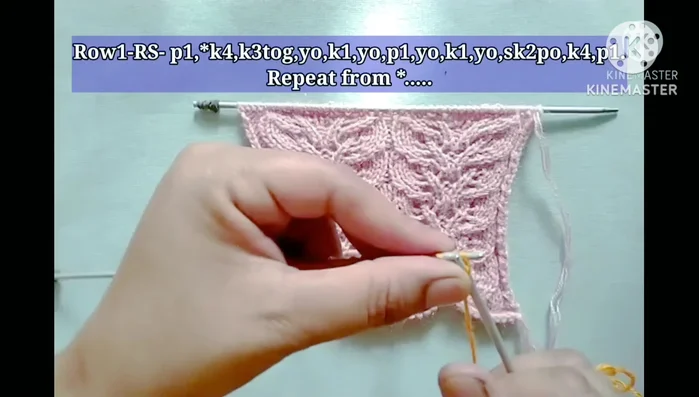
- **Row 1 (Right Side):** P1, *ybk, k4, k3tog, yo, k1, yo, p1, yo, k1, yo, sl1 kwise, k2tog, psso, k4, p1*. Repeat from * to *.
Row 1 Row 2
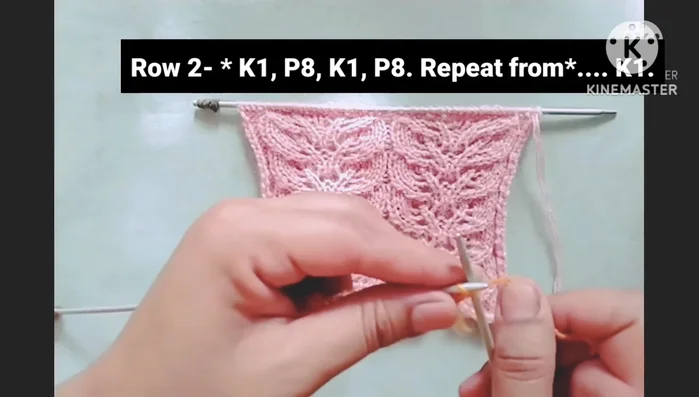
- **Row 2 (Wrong Side):** k1, *yo, p8, ybk, k1*. Repeat from * to *, ending with k1.
Row 2 Row 3
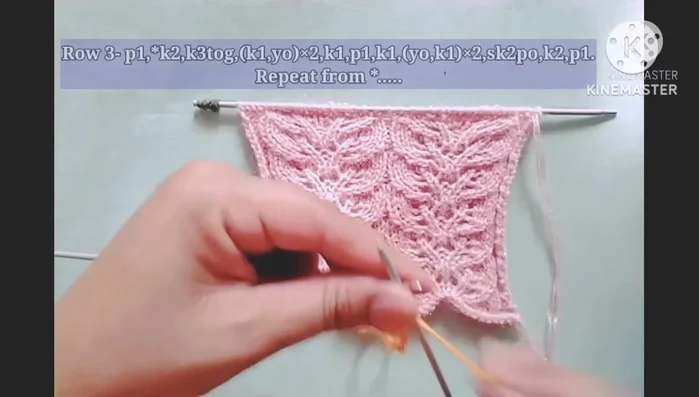
- **Row 3 (Right Side):** p1, *k2, k3tog, k1, yo, k1, yo, k1, yo, p1, ybk, k1, yo, k1, sl1 kwise, k2tog, psso, k2, p1*. Repeat from * to *.
Row 3 Row 4
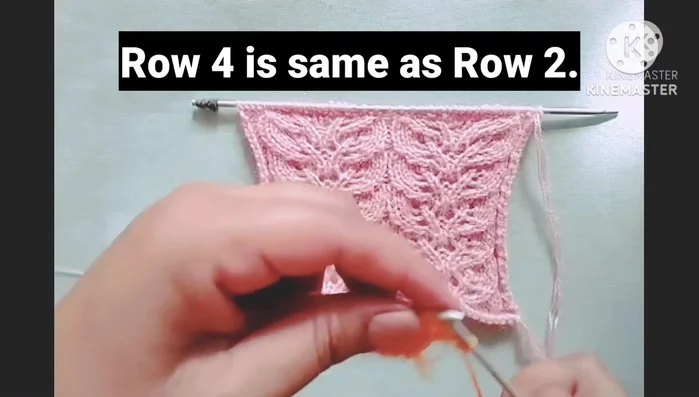
- **Row 4 (Wrong Side):** Same as Row 2.
Row 4 Row 5
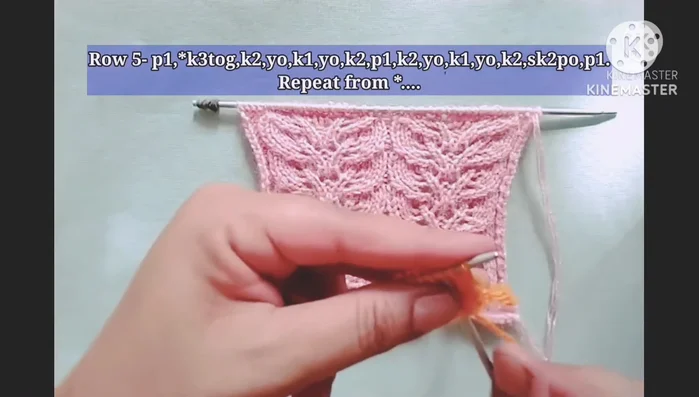
- **Row 5 (Right Side):** p1, *k3tog, k2, yo, k1, yo, k2, yo, p1, ybk, k2, yo, k2, sl1 kwise, k2tog, psso, p1*. Repeat from * to *.
Row 5 Row 6
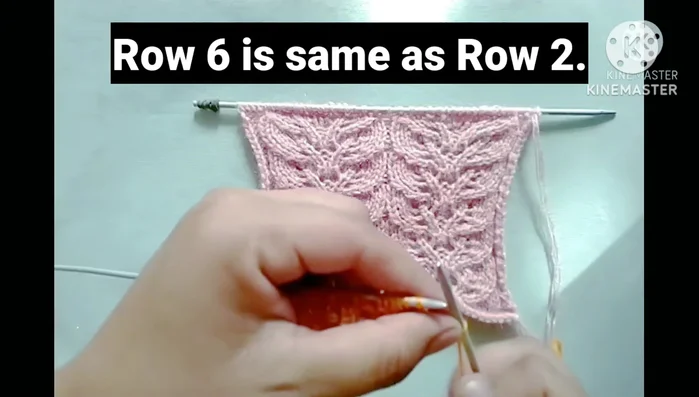
- **Row 6 (Wrong Side):** Same as Row 2.
Row 6 Repeat Pattern
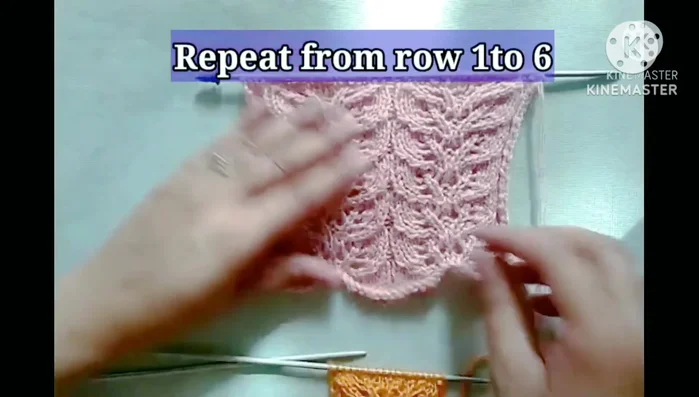
- Repeat Rows 1-6 to the desired length.
Repeat Pattern
Read more: Knitting a Reversible Basketweave Blanket: A Customizable Guide
Tips
- N/A