Fabric scraps, often destined for the bin, hold untapped potential for creativity and sustainability. Upcycling these remnants is not only environmentally friendly but also a wonderfully rewarding craft. Transforming discarded pieces into beautiful, functional items offers a unique opportunity to express your personal style while reducing textile waste. Think vibrant, personalized handkerchiefs, imbued with your own handiwork, ready to add a touch of elegance to your everyday life or serve as thoughtful, handmade gifts. This process is incredibly accessible, even for beginners.
This article explores three easy embroidery techniques that will help you breathe new life into your fabric scraps, turning them into charming embroidered handkerchiefs. From simple running stitch patterns to more intricate floral designs, we'll guide you through each technique step-by-step, empowering you to create unique and cherished pieces. Let's dive into the delightful world of upcycled fabric and discover the joy of handkerchief embroidery!
Safety Guidelines
- Always use sharp, clean needles to avoid injury and ensure even stitches. Blunt needles can cause fabric damage and make stitching difficult.
- Wash and pre-treat fabric scraps before starting to remove any potential shrinking or staining that could affect your finished handkerchief.
- Supervise children closely if they are involved in any needlework activities.
Methods: Bouillon Stitch Handkerchief
Tools Needed
- Fabric scraps
- Embroidery needle
- Embroidery floss
Step-by-Step Instructions
Prepare the Fabric
- Cut a 25x25 cm square from scrap fabric.

Prepare the Fabric Machine Finish Handkerchiefs
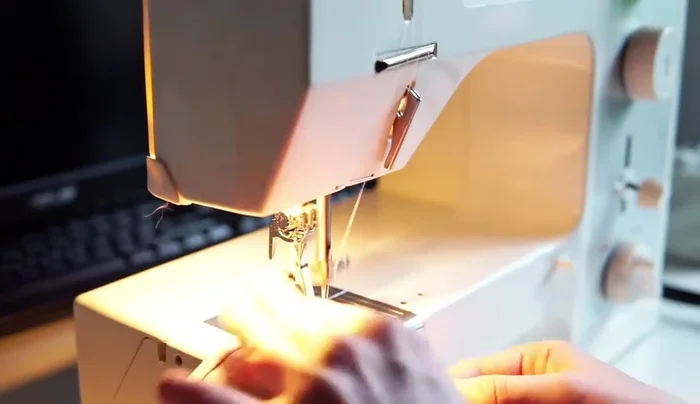
- Iron edges in and topstitch two handkerchiefs by machine.
Machine Finish Handkerchiefs Hand-Stitch Handkerchief Edges
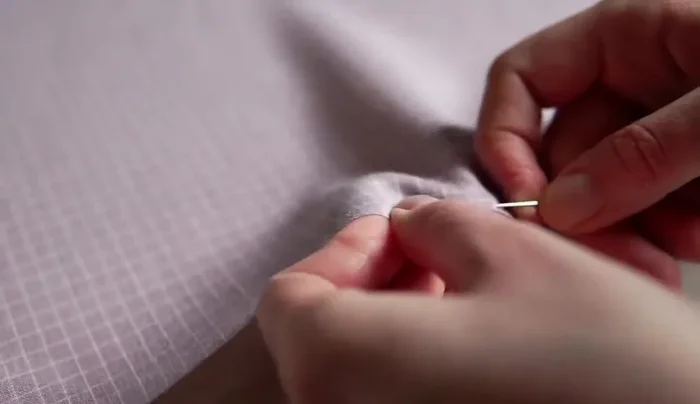
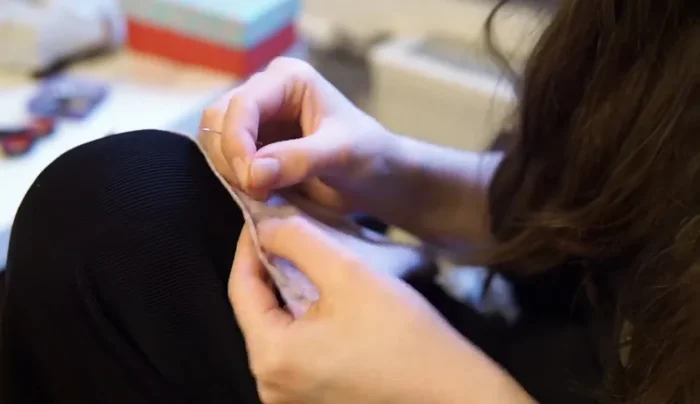
- Hand-stitch the edges of one handkerchief with a running stitch.
- Use an invisible seam to finish the edges.
Hand-Stitch Handkerchief Edges Embroider with Bouillon Stitch
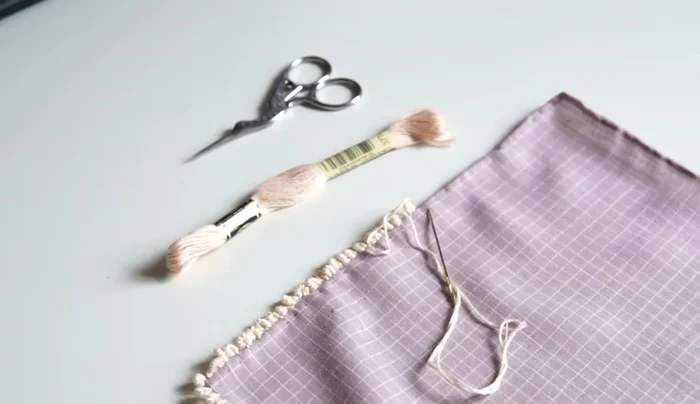
- Decorate the handkerchief's border with bouillon stitches.
Embroider with Bouillon Stitch

Tips
- Wrap fabric 10 times around the needle for each bouillon stitch.
- Pull the needle through and secure with a single stitch.
Methods: Stamp Stitch Handkerchief
Tools Needed
- Fabric scraps
- Embroidery needle
- Embroidery floss
- Pattern
Step-by-Step Instructions
Prepare the Fabric
- Cut a 25x25 cm square from scrap fabric.
Prepare the Fabric Prepare the Handkerchief
- Iron edges in and topstitch two handkerchiefs by machine.
Prepare the Handkerchief Design the Embroidery
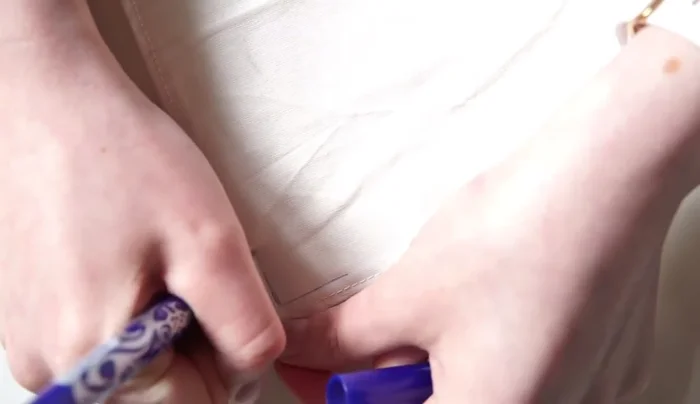
- Draw a pattern in the corners of the handkerchief.
Design the Embroidery Embroider with Stamp Stitch
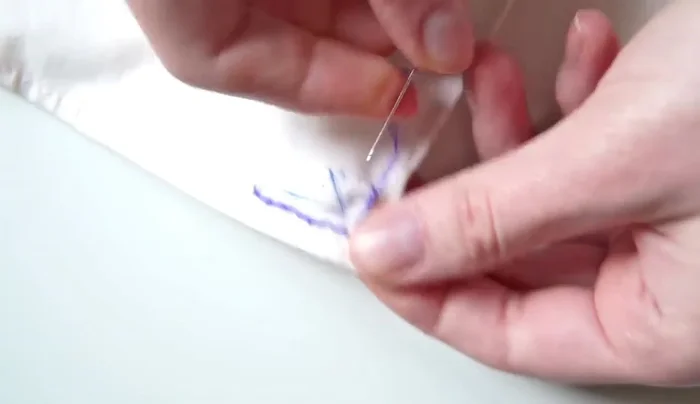
- Use a stamp stitch to embroider the pattern.
Embroider with Stamp Stitch

Tips
- Create a stamp stitch with a back stitch, pulling the thread through the loop.
Methods: Scraper Boss Running Stitch & Cross Stitch Handkerchief
Tools Needed
- Fabric scraps
- Embroidery needle
- Embroidery floss
Step-by-Step Instructions
Prepare Fabric
- Cut a 25x25 cm square from scrap fabric.
Prepare Fabric Hem Handkerchiefs
- Iron edges in and topstitch two handkerchiefs by machine.
Hem Handkerchiefs Scraper Boss Running Stitch and Cross Stitch
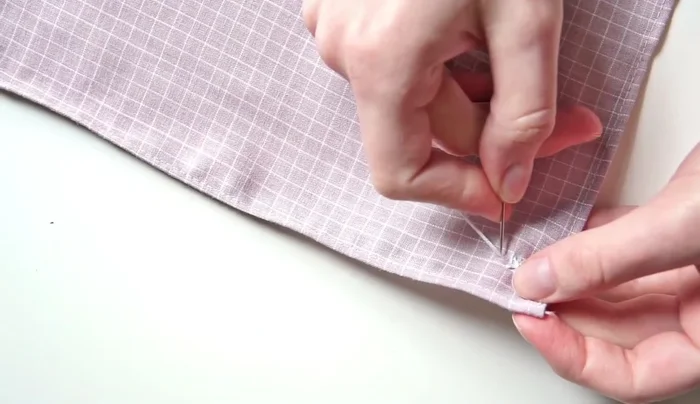
- Use a scraper boss running stitch, followed by running stitches and cross stitches.
Scraper Boss Running Stitch and Cross Stitch Complete Stitch Pattern
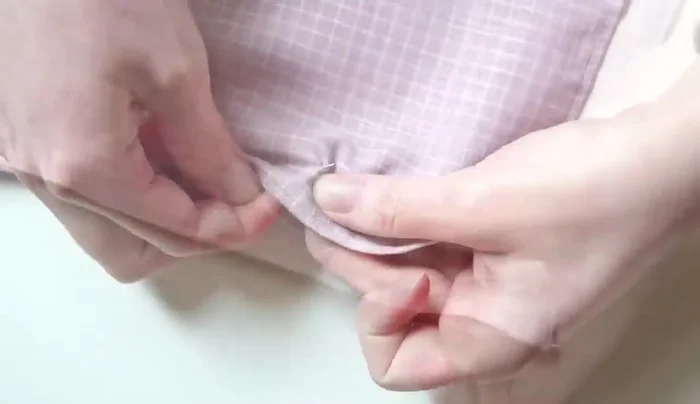
- Repeat cross stitches and running stitches until almost the end, finishing with another scraper boss stitch.
Complete Stitch Pattern
Tips
- A scraper boss stitch is a cross stitch secured with a back stitch on top.