Attract a vibrant array of feathered friends to your backyard and transform your outdoor space into a lively bird sanctuary! Building a DIY bird feeder is a rewarding project that connects you with nature, provides hours of entertainment watching birds, and is surprisingly simple to accomplish. It's a wonderful way to contribute to local bird populations, offering a vital food source, especially during harsh weather conditions or lean feeding seasons. You'll be amazed at the variety of birds that will visit your backyard once you provide a reliable food source.
Creating your own bird feeder not only saves money compared to store-bought options but allows for complete customization to suit your preferences and the specific needs of the birds in your area. From simple designs utilizing recycled materials to more elaborate creations, the possibilities are endless. Ready to start building your own backyard bird paradise? Let's dive into the easy, step-by-step guide below!
Preparation and Safety Guidelines
- Cedar picket
- Dowel rod
- Exterior wood glue
- Small exterior finish nails or wood screws
- Drill and drill bits
- Hammer and/or screwdriver
- Tape measure
- Pencil
- Saw
- Framing square
- Safety equipment
- Prevent bird feeder contamination: Regularly clean your feeder with soap and water to avoid the spread of disease. Allow it to dry completely before refilling.
- Secure your feeder: Hang your feeder securely to prevent it from falling and injuring birds or breaking. Consider using strong wire or sturdy hooks.
- Choose appropriate seed: Avoid using seeds treated with pesticides or chemicals that could harm the birds.
Step-by-Step Instructions
Prepare and Cut Materials
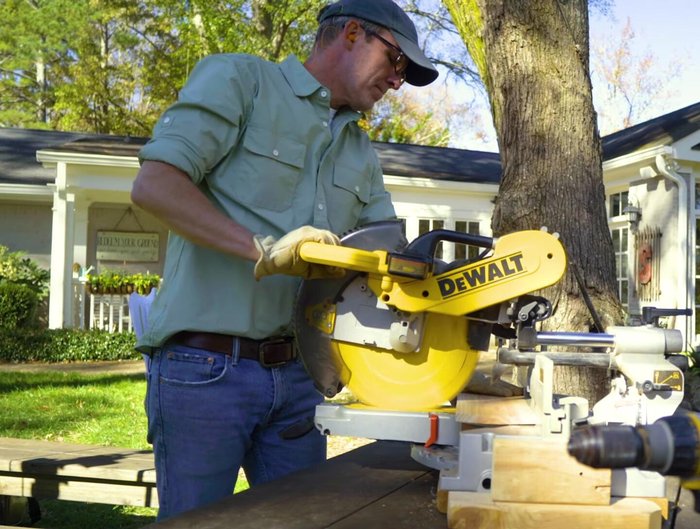
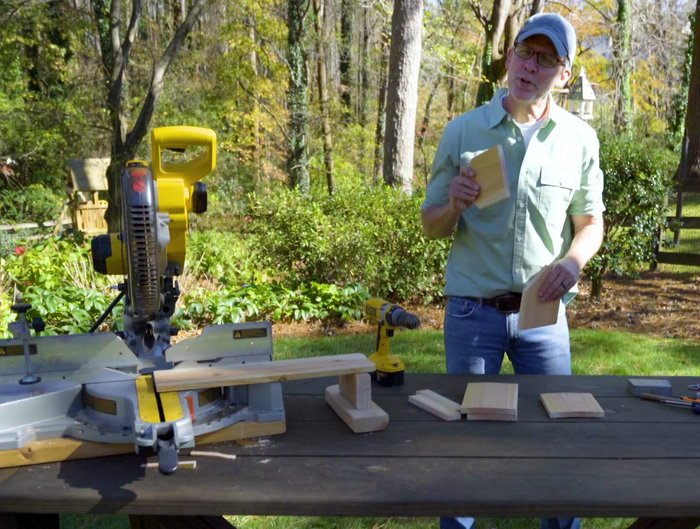
- Cut the floor, sides, roof, and tray sides from the cedar picket using a saw (compound miter saw recommended but hand saw works too).

Prepare and Cut Materials Assemble the Feeder Base
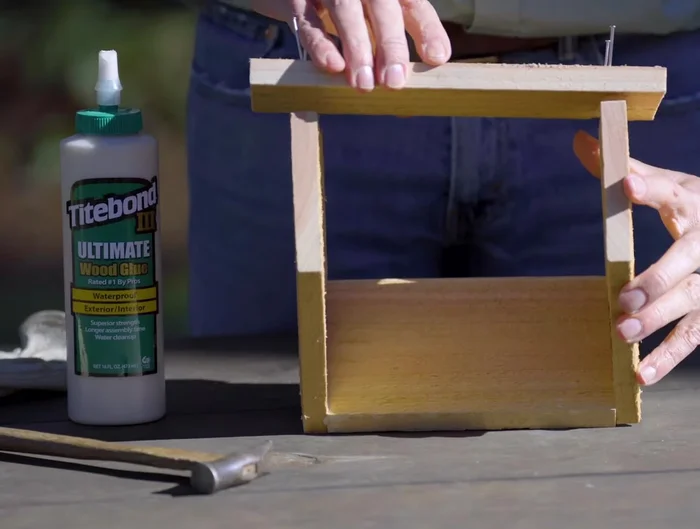
- Attach the two sides to the floor using glue and nails or screws.
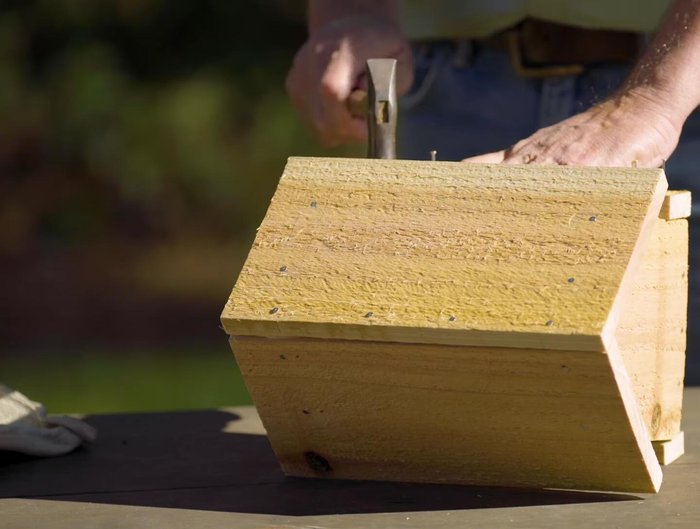
- Attach the narrow roof piece, followed by the wider roof piece.
Assemble the Feeder Base Add Finishing Touches
- Attach a cedar strip along each side of the feeder.
Add Finishing Touches Install Perches
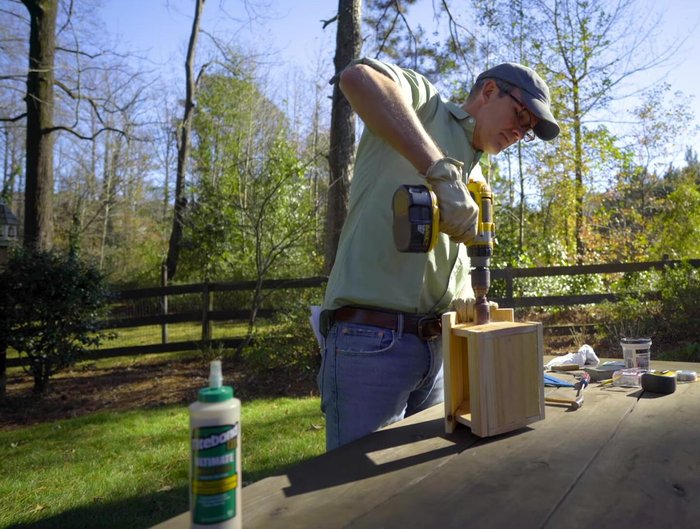
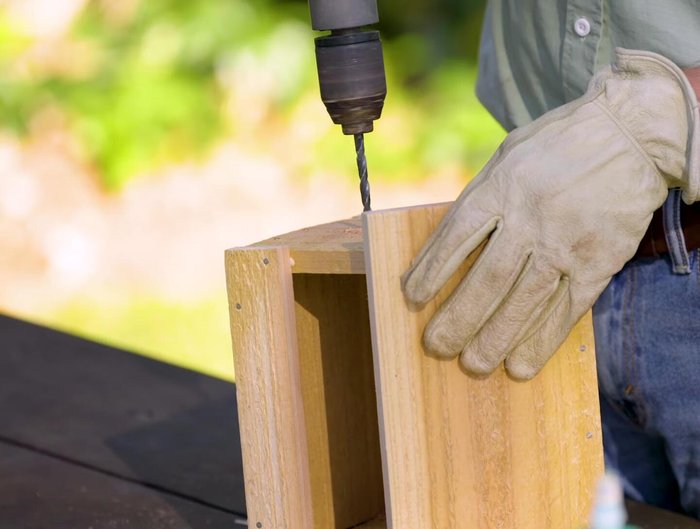
- Drill a hole in the center of each side, just below where the roof begins to angle (approximately 4.5 inches from the bottom).
- Drill a small hole about an inch below each large hole for the perch.
- Apply wood glue and tap the dowel rod (perch) into the smaller holes. Wipe away excess glue.
Install Perches
Read more: Build a Stunning Black Walnut Coaster Set: The Ultimate Furniture Protector
Tips
- Use cedar wood because it's rot-resistant and doesn't contain chemicals harmful to birds.
- Consider the advantages of different feeder types (tray, house, window, tube) and choose a mix to create the best birding experience.
- Place the feeder where you can easily watch the birds, but also consider their needs: less human activity, near natural shelter (trees, shrubs), away from chemical sprays, and away from windows.