Are you dreaming of cozy nights wrapped in a handmade blanket, but intimidated by complex crochet patterns? Then look no further! This beginner-friendly chevron blanket tutorial will guide you through creating a stunning "Deep Peak" chevron design, perfect for adding a touch of elegance to your home or gifting to a loved one. No prior experience with chevron stitches is needed; we’ll break down each step into easily manageable instructions, using clear photos and straightforward explanations. This project is designed to build confidence and skill, even if you're just starting your crochet journey.
Forget complicated charts and confusing terminology – this pattern focuses on simplicity and visual learning. The Deep Peak chevron creates a wonderfully textured, visually appealing blanket without requiring advanced techniques. Ready to get started on your own cozy creation? Let's dive into the step-by-step process and learn how to make this beautiful chevron blanket together!
Preparation and Safety Guidelines
- chunky yarn
- large crochet hook
- Use sharp scissors to avoid accidental cuts. Always keep your work area clear and well-lit.
- If using a hook size significantly larger or smaller than recommended, the finished blanket's drape and size may be altered. Stick to the suggested hook size for best results.
- Take breaks to avoid eye strain and repetitive stress injuries. Crochet should be enjoyable; stop if you feel any discomfort.
Step-by-Step Instructions
Foundation Chain
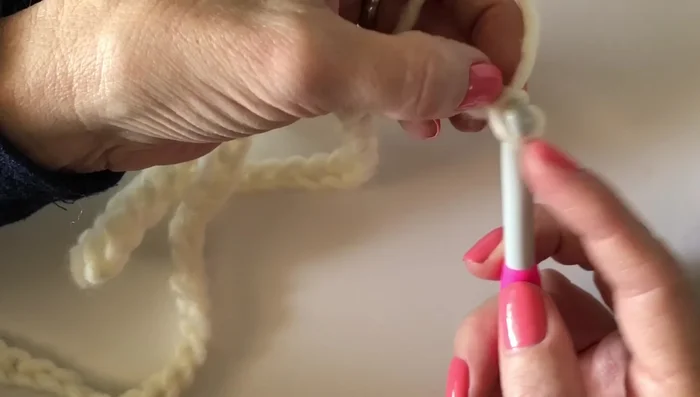
- Chain 61 stitches (a pattern repeat of 29 + 3 for customization).

Foundation Chain Initial Peak
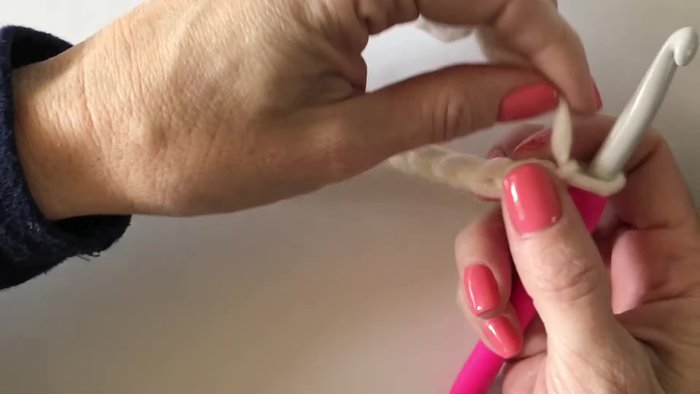
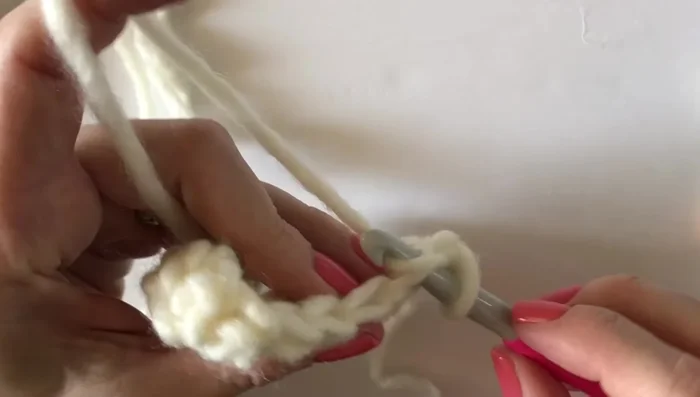
- Single crochet 2 together, starting with the second chain from the hook.
- Work single crochet under the loop of the chains for 13 stitches.
- Work three single crochets into the same space.
- Work 13 stitches down the next side, skipping over two chain spaces.
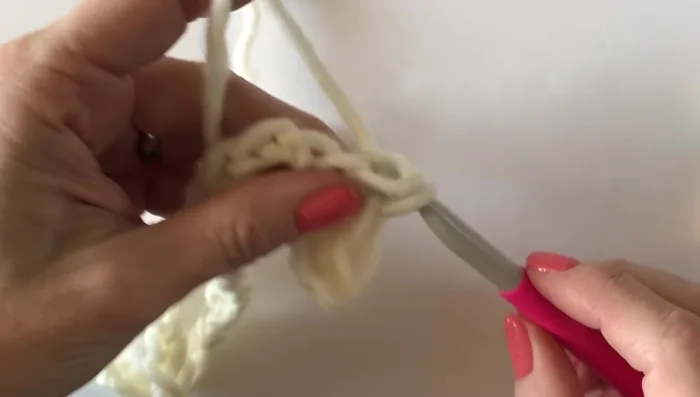
Initial Peak - Work 13 stitches back up to the top, working into the back loop only (cornrow stitch).
- Single crochet the last two stitches together.
- Chain 1 and turn.
Initial Peak Repeat for Chevron Pattern
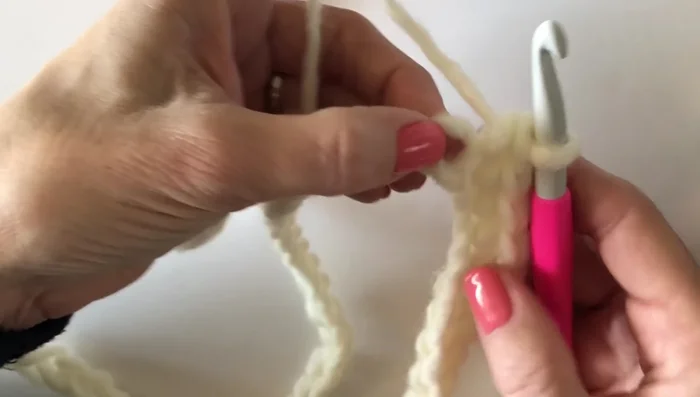
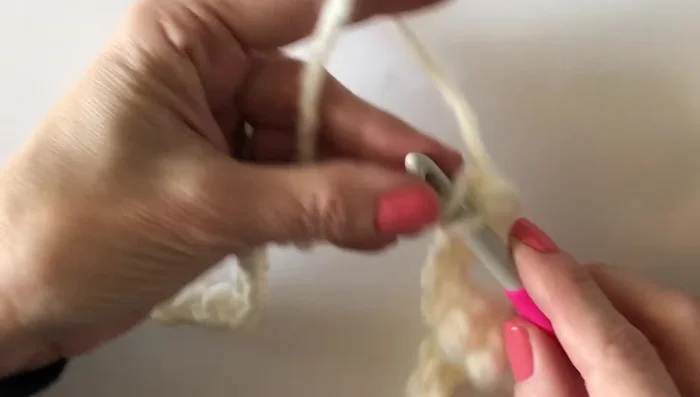
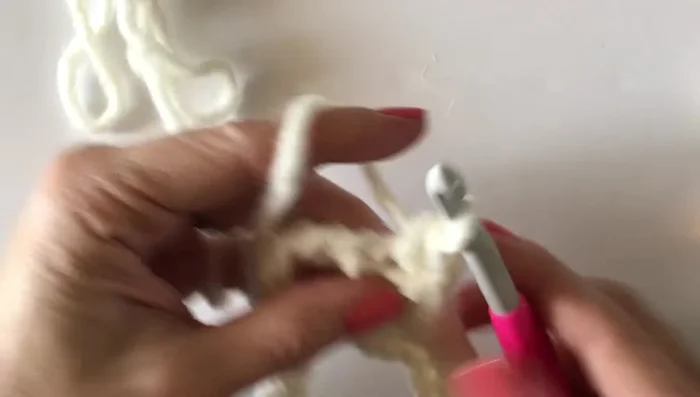
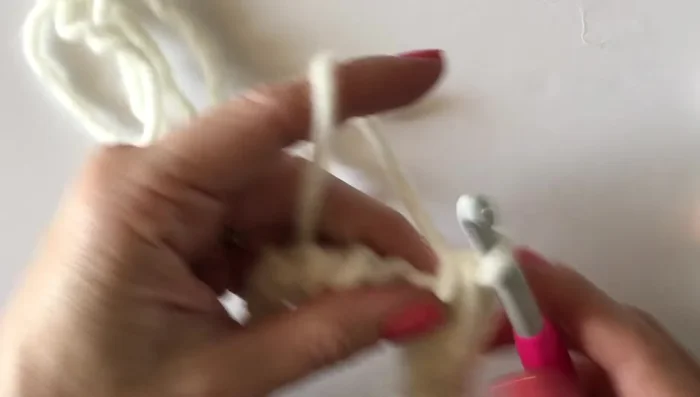
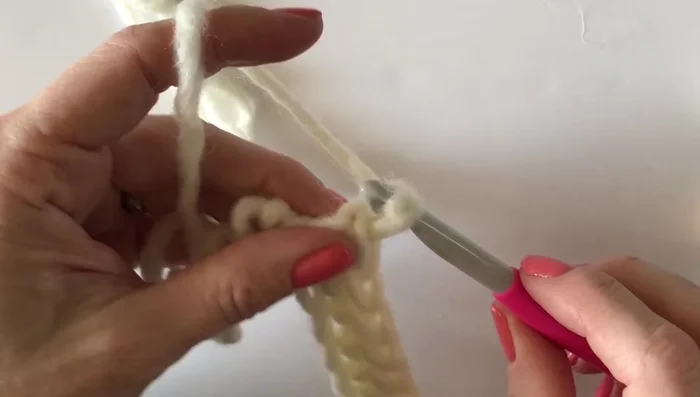
- Repeat steps 3-7, working into the back loop only for a defined chevron pattern.
Repeat for Chevron Pattern
Read more: Easy Color Block Crochet Blanket Tutorial for Beginners
Tips
- Customize blanket length by adjusting the initial chain count.
- Use a chunky yarn and large hook for better visibility.
- Careful counting is crucial for accurate chevron pattern.
- Working into the back loop only creates pronounced, deep peaks.